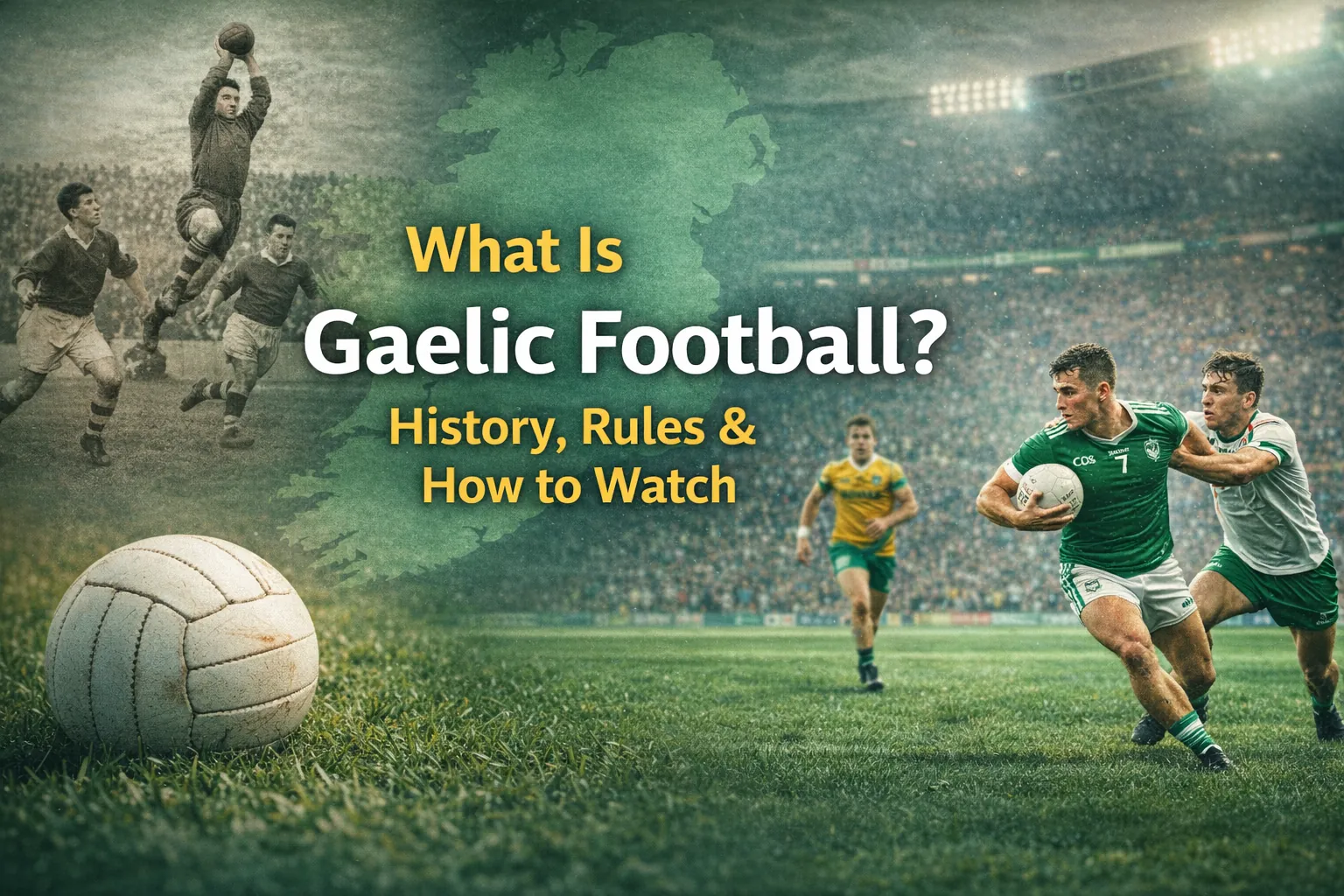
Gaelic football is one of Ireland’s most popular and culturally significant sports, combining elements of football, rugby, and basketball into a fast-paced and highly physical game. Deeply rooted in Irish identity, it is played at both amateur and elite levels across the country, with passionate local support and a unique competitive structure.
For anyone new to the sport, understanding how Gaelic football works — and where to watch it — can open the door to one of the most exciting sporting experiences in Ireland.
What Is Gaelic Football?
Gaelic football is a field sport played between two teams of fifteen players. The objective is to score points by either kicking or punching the ball through the opponent’s goalposts.
A goal, scored by getting the ball into the net, is worth three points, while sending the ball over the crossbar earns one point. This scoring system creates dynamic matches where momentum can shift quickly.
The game is played on a large rectangular pitch with H-shaped goalposts, similar to rugby, and allows players to use both hands and feet to control the ball.
The History of Gaelic Football
Origins of the Game
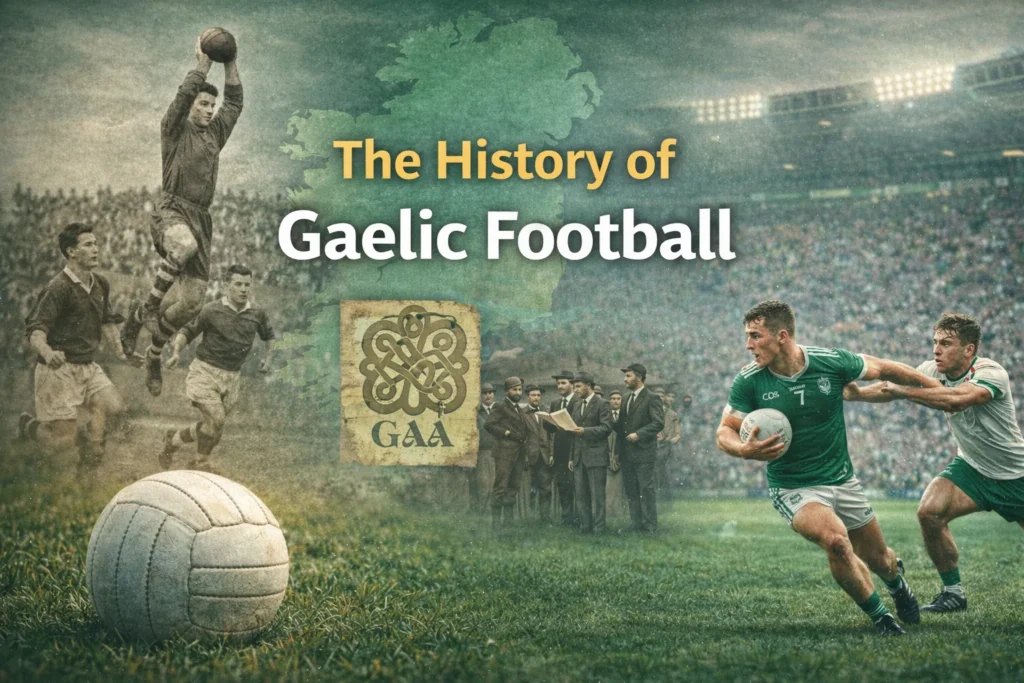
Gaelic football has its roots in traditional Irish games that were played for centuries before being formally organised. These early versions were often community-based and varied in rules depending on the region.
Formation of the GAA
The sport was standardised with the establishment of the Gaelic Athletic Association (GAA), which aimed to preserve and promote traditional Irish sports. This marked a turning point, creating official rules and structured competitions.
For more details about the governing body, you can visit the official GAA website.
Modern Development
Today, Gaelic football is played at multiple levels, from local clubs to inter-county competitions. Major tournaments attract large crowds and are broadcast widely, making the sport more accessible than ever.
How Gaelic Football Works
Match Structure
Matches are typically played over two halves, with teams competing to outscore each other within the allocated time. The pace of the game is high, with continuous movement and quick transitions between attack and defence.
Player Movement and Skills
Players can carry the ball, bounce it, or solo it (kick it back to their hands while running). These unique mechanics give Gaelic football its distinctive flow and rhythm.
Physicality and Strategy
The sport combines physical strength with tactical awareness. Teams must balance defensive structure with attacking creativity, often switching strategies during the match.
Key Competitions in Gaelic Football
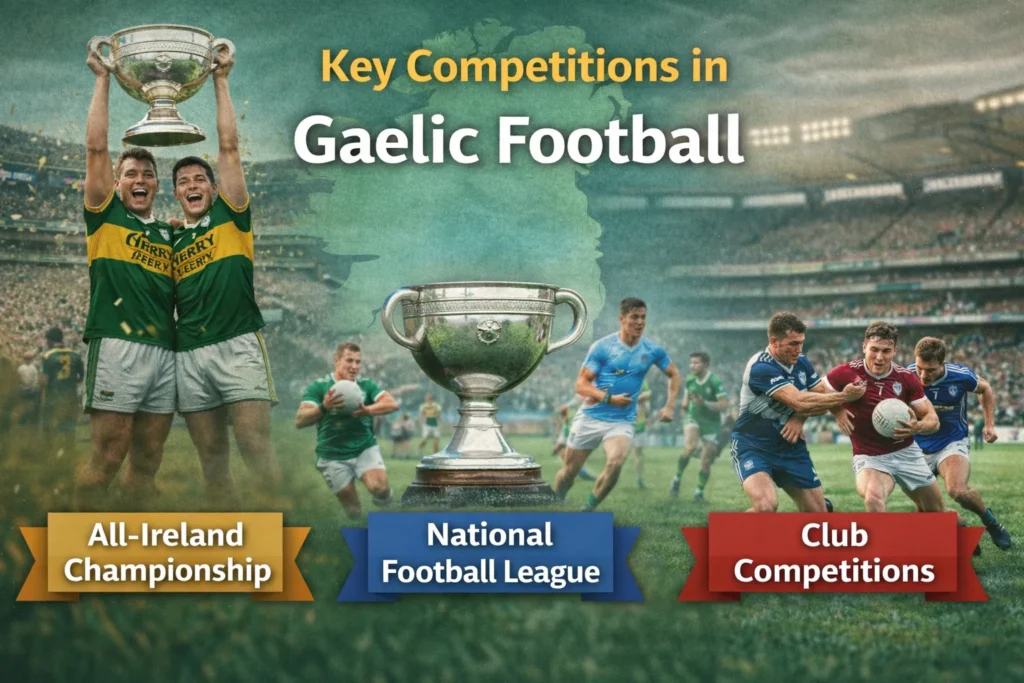
Gaelic football features several major competitions that define the calendar and attract national attention.
All-Ireland Championship
The All-Ireland Senior Football Championship is the most prestigious competition, bringing together county teams from across Ireland in a knockout format.
National Football League
The league provides a structured competition earlier in the season, allowing teams to build form and compete across divisions.
Club Competitions
At a local level, club championships are hugely important, showcasing grassroots talent and strong community connections.
How to Watch Gaelic Football Matches
Watching Gaelic football has become increasingly accessible through both traditional broadcasting and streaming platforms.
The main platform for live streaming is GAA+, which offers coverage of inter-county matches. You can explore upcoming fixtures and coverage on our GAA+ schedule page.
For club-level matches and local competitions, platforms like Clubber TV provide additional coverage, especially for grassroots games.
If you want to see all matches happening today, including multiple competitions, visit the Match Center for a full overview.
Where to Follow Fixtures, Scores & Updates

Staying updated with Gaelic football is essential if you want to follow teams closely. Fixtures, results, and live scores are updated regularly across different platforms.
Our Gaelic Football page provides a central hub where you can find schedules, broadcast listings, and match updates in one place.
Why Gaelic Football Is So Popular
Gaelic football stands out not only for its gameplay but also for its deep connection to Irish culture and community. Unlike many professional sports, players often represent their local areas, creating strong emotional ties between teams and supporters.
The amateur status of the sport adds to its authenticity, with players competing for pride and community rather than financial rewards.
This combination of passion, tradition, and high-quality competition makes Gaelic football one of the most compelling sports to follow.
Frequently Asked Questions
What is Gaelic football similar to?
Gaelic football shares elements with soccer, rugby, and basketball, combining kicking, carrying, and scoring techniques from each.
How can I watch Gaelic football matches live?
You can watch matches through GAA+ and selected broadcasters. Check our GAA+ page for the latest listings.
Is Gaelic football played professionally?
Gaelic football is primarily an amateur sport, although it is played at a very high competitive level.
Where can I find today’s matches?
You can view all upcoming and live matches on the Match Center.
Final Thoughts
Gaelic football is more than just a sport — it is a central part of Irish culture and identity. With its unique rules, exciting gameplay, and strong community roots, it offers a viewing experience unlike any other.
Whether you are watching a major championship match or a local club game, Gaelic football delivers intensity, passion, and a deep connection to the communities it represents.